The Evolution of Wearable Technology: Beyond Smartwatches and Fitness Trackers
PR Publisher · February 27, 2026
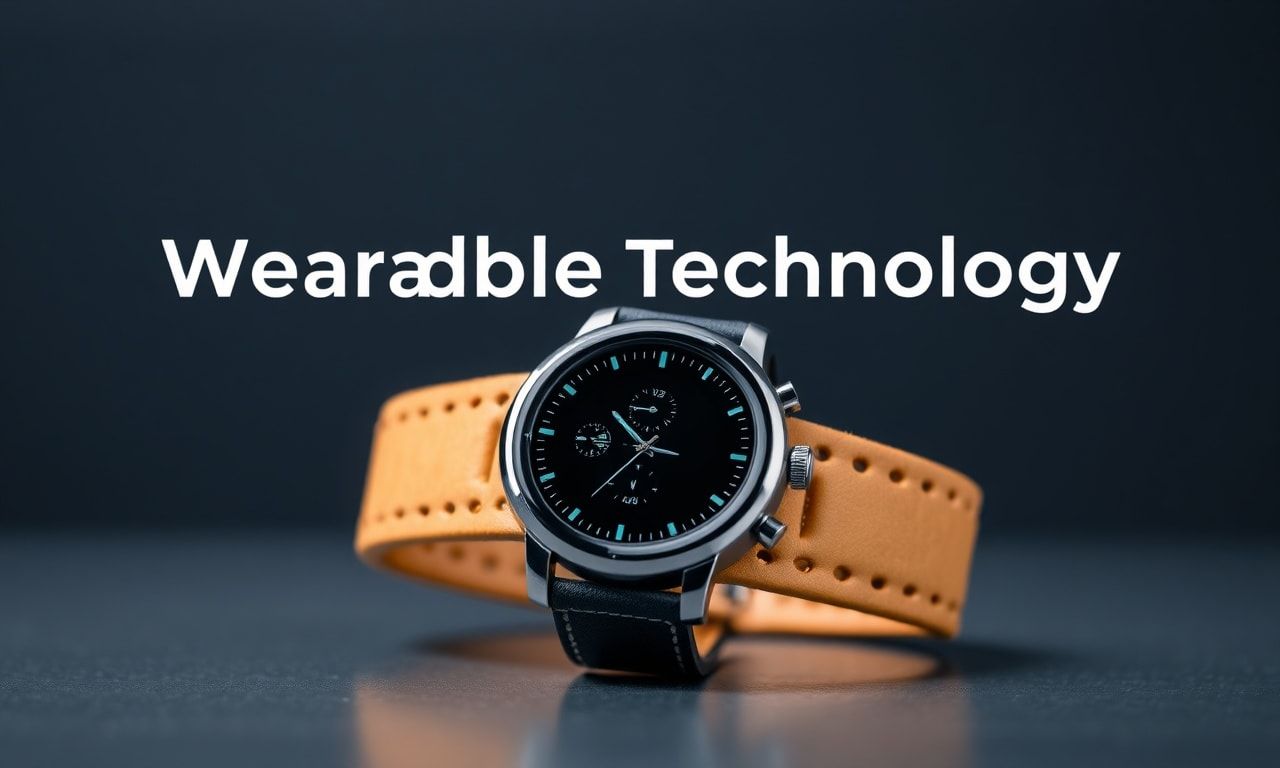
The Next Frontier of Wearable Tech
Wearable technology has come a long way from simple pedometers and basic fitness trackers. Today, wearables are sophisticated gadgets that integrate seamlessly into our daily lives, offering a range of functionalities from health monitoring to augmented reality. As technology advances, the line between science fiction and reality blurs, paving the way for innovative devices that were once unimaginable.
The Rise of Smart Clothing
One of the most exciting developments in wearable technology is smart clothing. These garments are embedded with sensors and microprocessors that can monitor various aspects of the wearer’s health and environment. For instance, smart shirts can track heart rate, respiration, and even stress levels. Some advanced models can even analyze posture and provide real-time feedback to improve it. This technology is not just limited to fitness enthusiasts; it has applications in healthcare, military, and even fashion.
Smart clothing is also making waves in the fashion industry. Designers are collaborating with tech companies to create stylish yet functional wearables. These garments often feature LED lights, touch-sensitive fabrics, and even solar panels to charge connected devices. The integration of technology into fashion is not only enhancing the aesthetic appeal but also making wearables more accessible and desirable to a broader audience.
Applications in Healthcare
The healthcare industry is one of the biggest beneficiaries of wearable technology. Smart clothing and accessories can monitor chronic conditions like diabetes, heart disease, and asthma, providing real-time data to both patients and healthcare providers. For example, continuous glucose monitors (CGMs) allow diabetics to track their blood sugar levels without the need for frequent finger pricks. Similarly, smart insulin pens can automatically adjust insulin doses based on real-time data, reducing the risk of hypoglycemia.
Wearable technology is also revolutionizing remote patient monitoring. With the advent of telemedicine, healthcare providers can now monitor patients’ vital signs and health metrics in real-time, even if they are miles away. This is particularly beneficial for elderly patients and those with chronic conditions who require constant monitoring but may not have access to immediate medical care.
The Role of AI in Wearable Technology
Artificial Intelligence (AI) is playing a pivotal role in the evolution of wearable technology. AI algorithms can analyze vast amounts of data collected by wearables to provide personalized insights and recommendations. For instance, AI-powered fitness trackers can suggest personalized workout routines based on the user’s fitness level, goals, and past performance. Similarly, AI-driven health monitors can detect anomalies in vital signs and alert the user or their healthcare provider.
AI is also enhancing the user experience of wearables. Natural language processing (NLP) allows users to interact with their devices using voice commands, making them more intuitive and user-friendly. Moreover, AI-powered virtual assistants can provide real-time feedback and guidance, whether it’s for fitness, health, or productivity.
Cybersecurity Concerns
As wearable technology becomes more integrated into our lives, the need for robust cybersecurity measures becomes paramount. Wearables collect sensitive data, including health information, location data, and personal preferences. This data is vulnerable to cyber threats, making it a prime target for hackers. To mitigate these risks, manufacturers are implementing advanced encryption techniques, biometric authentication, and secure data transmission protocols.
Consumers also play a crucial role in ensuring the security of their wearable devices. It’s essential to keep the software up-to-date, use strong passwords, and be cautious about sharing personal data. Additionally, users should be aware of the privacy policies of the apps and services connected to their wearables to ensure their data is being handled responsibly.
The Future of Wearable Technology
The future of wearable technology is bright and filled with possibilities. Emerging technologies like augmented reality (AR) and virtual reality (VR) are set to revolutionize the way we interact with our wearables. AR glasses, for example, can overlay digital information onto the real world, providing users with real-time navigation, translation, and even entertainment. VR headsets, on the other hand, can transport users to virtual environments for immersive experiences.
Another exciting development is the integration of wearables with the Internet of Things (IoT). This interconnected network of devices can communicate with each other to create a seamless and personalized user experience. For instance, a smartwatch can adjust the thermostat, turn off the lights, and even brew a cup of coffee based on the user’s preferences and routines.
As technology continues to evolve, so will wearable technology. The possibilities are endless, and the potential applications are vast. From healthcare to fashion, wearables are transforming the way we live, work, and interact with the world around us. To stay updated with the latest trends and gadget reviews detailed analysis, visit gadget reviews detailed analysis.
To delve deeper into the intersection of technology and defense, check out modern warfare’s tech evolution, which examines the latest advancements in AI and cybersecurity within the defense sector.
As technology continues to revolutionize our daily lives, discover how AI-driven cleaning robots are transforming home maintenance with cutting-edge automation and efficiency.
To gain a deeper understanding of how technology is reshaping real estate trends, delve into global housing rental insights and discover the data-driven impact on the market.